Bringing marine bioinvasions to Madeira!
(Just the research, not the organisms 😉 )
by Paola Parretti, Diane Esson and Susi Schäfer
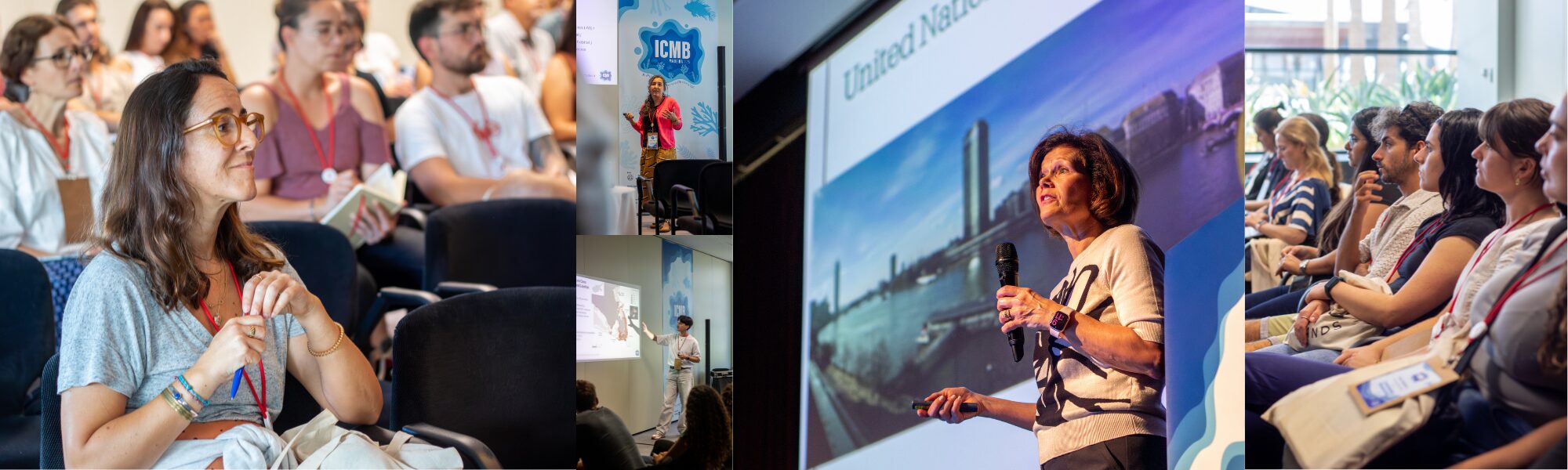
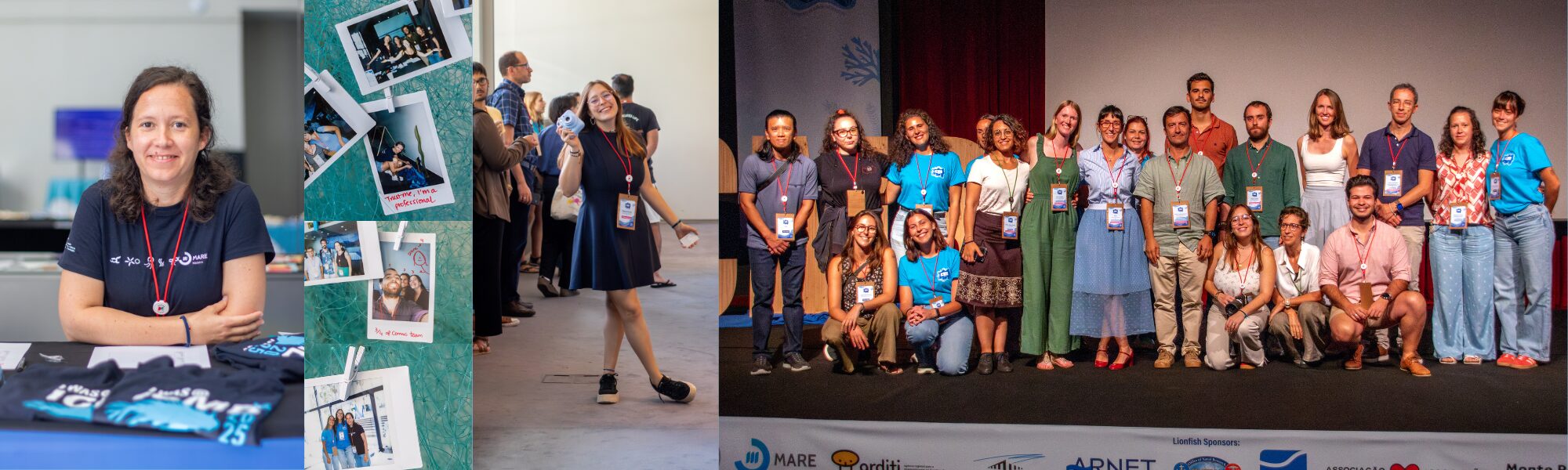
From 6–9 October 2025, the VidaMar Resort in Funchal, Madeira transformed into a crossroads of researchers, students and a range of stakeholders from around the globe as MARE-Madeira hosted the 12th International Conference on Marine Bioinvasions (ICMB XII).
The ICMB series is the leading international forum dedicated to understanding and managing marine bioinvasions—species that spread beyond their native range through human activities to impact ecosystems, economies and societies. Organized under the umbrella of the Society for the Study of Marine Bioinvasions, the event provides a unique space for sharing science, policies and management strategies to address one of the most pressing challenges in marine conservation.
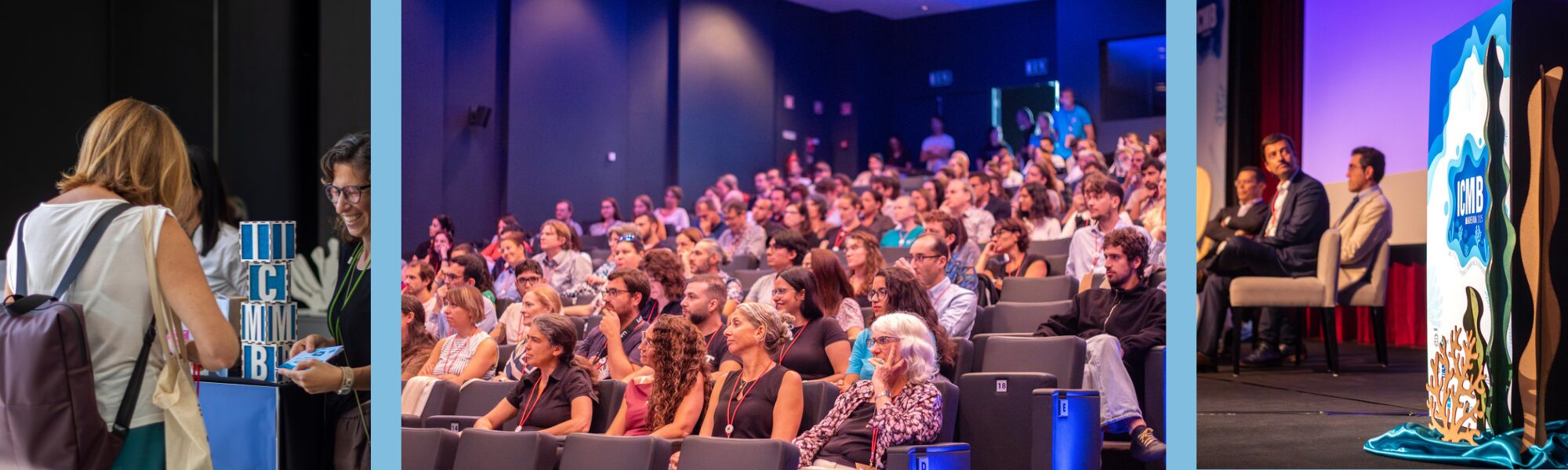
Credit for all photos in this post: Beatriz Arraiol (ARDITI)
This year, the conference gathered 274 participants from 40 countries, confirming once again the global relevance of this topic and the vibrant community working to address it.
Hosting an international conference of this scale was a new adventure for our research team at MARE-Madeira! We are researchers, not experienced event planners, yet after many months of preparations, troubleshooting and learning by doing, we managed to turn our scientific home into a space for colleagues from every corner of the world to share their work.
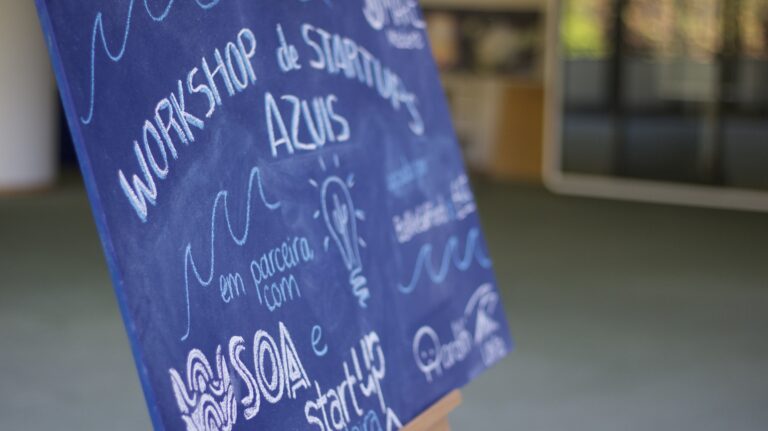
We aimed to make the event as welcoming and sustainable as possible. In keeping with the ICMB’s long-standing support for scientists at all stages of their careers, we were able to offer a presentation or poster for every attendee who applied to take part. To reduce travel stress, posters were printed on-site and their blank sides will be reused for future children’s activities. Decorations, such as the macroalgae displays, chalkboard and activities, will also be repurposed for upcoming exhibitions and educational events.
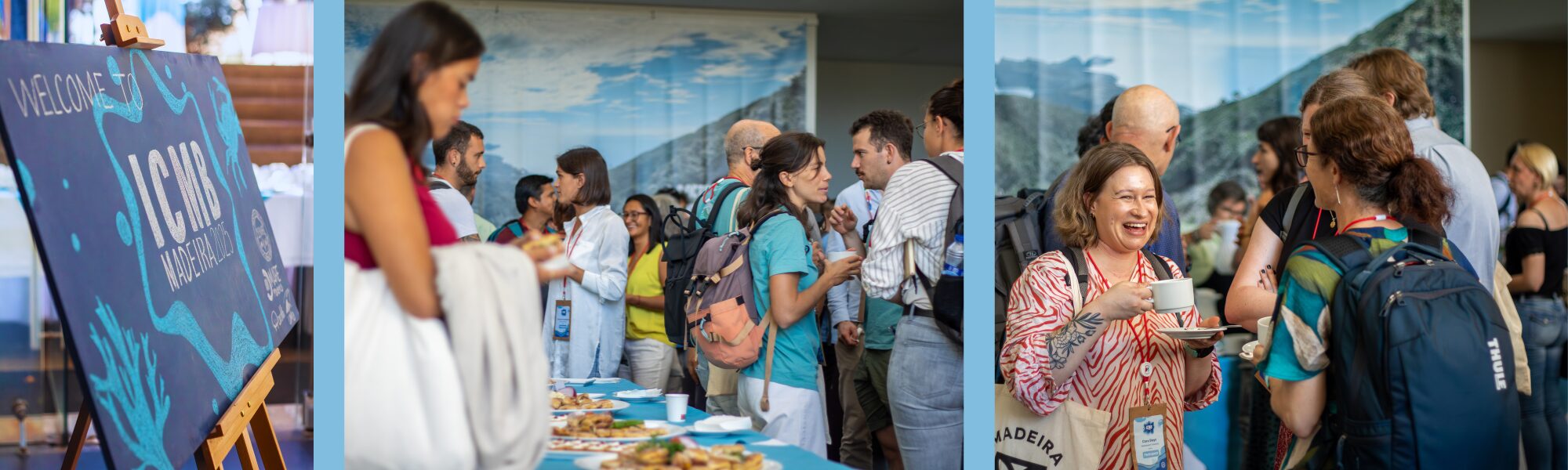
From the very first day, we could feel a special atmosphere—open, friendly, and full of good energy. The kind messages we received during and after the conference were warmly received and, of course, we know that good food helps everything! The local flavours, the sunset cocktail, and the conference dinner – complete with a traditional dance lesson! – were highlights that left our participants (and our volunteers) smiling and full.
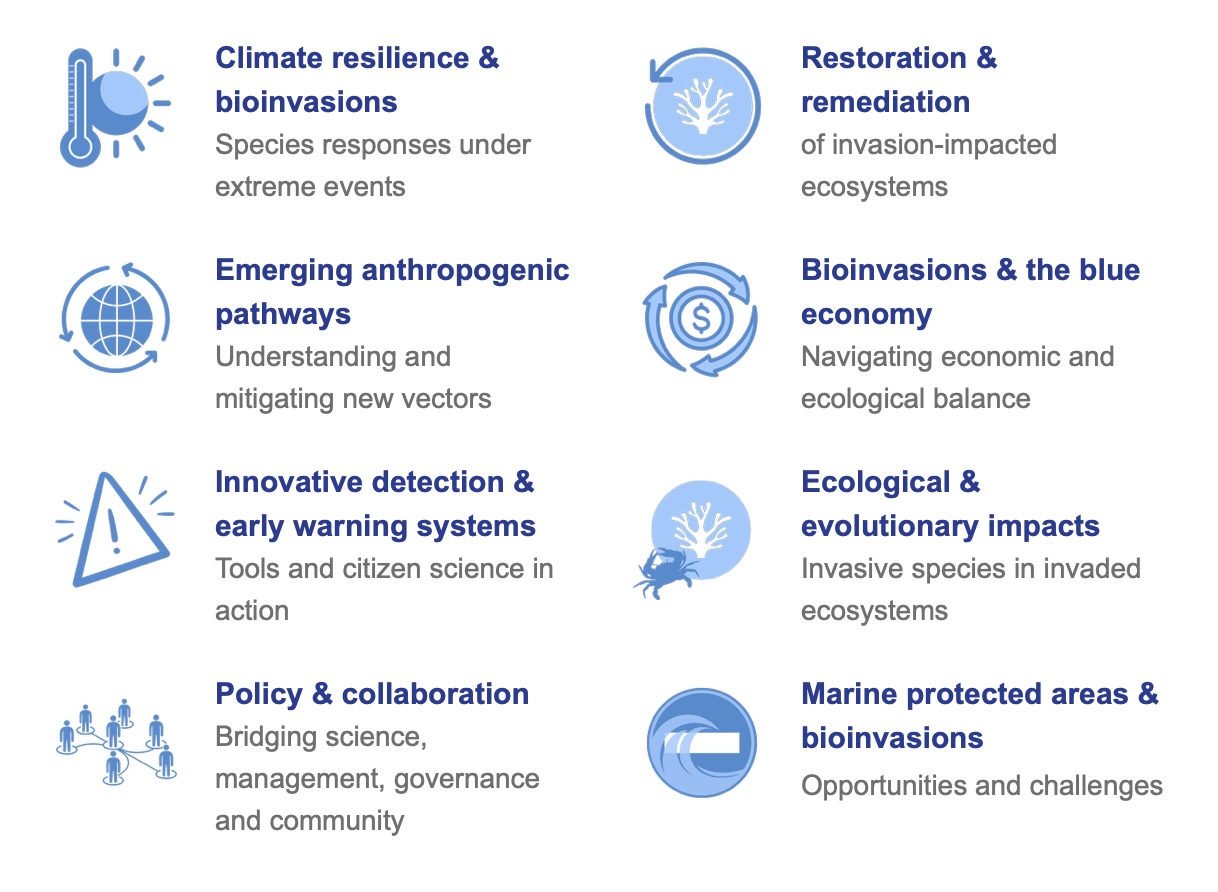
Overall, ICMB XII featured 6 keynote speakers, 167 oral presentations, and 68 posters, structured around eight main themes:
Supporting students and early career researchers
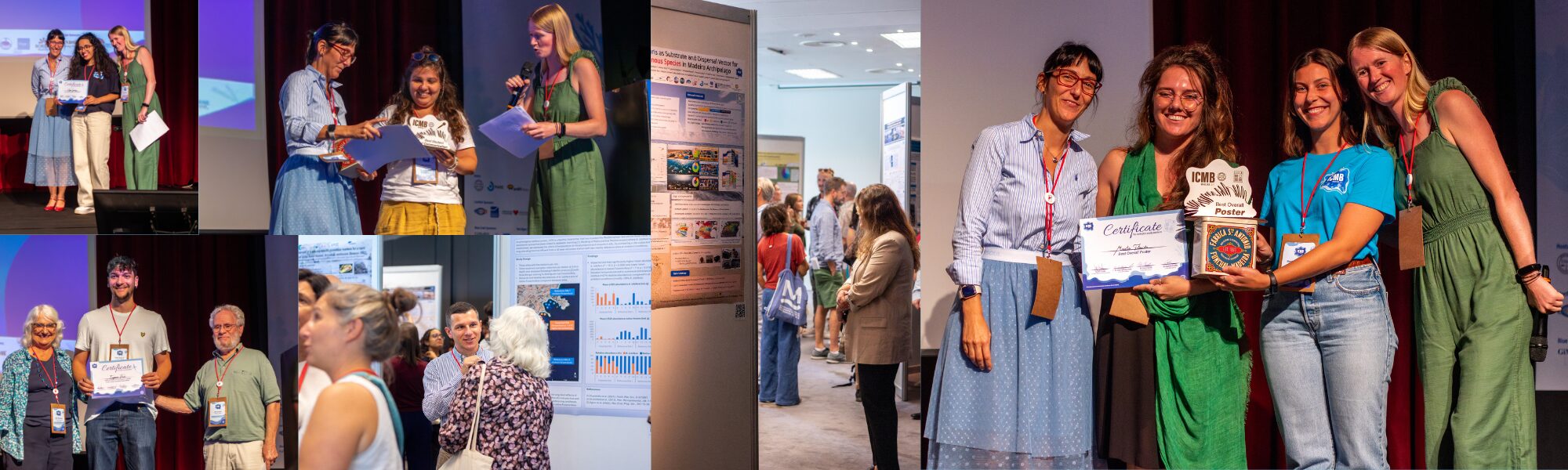
From the opening of abstract submissions to the conclusion of the conference, we were proud to recognize excellence among our student and early career researcher participants: we awarded nine student travel grants, along with three prizes for best oral presentations and best posters. Each year, these grants and awards are supported by sales of the prior conference’s t-shirts and other fundraising items, as well as by the generous support of sponsors. Thank you to everyone who contributed to making this recognition possible and valuable.
This year’s award winners – students, early career researchers and general – were:
- Best Oral Presentation Day 1: Inês Afonso (MARE – Marine and Environmental Sciences Centre, ARNET – Aquatic Research Network, Faculdade de Ciências, Universidade de Lisboa, Portugal) – “Understanding invasion hotspots: a regional analysis of non-indigenous species in Portugal”
- Best Oral Presentation Day 2: Natalie Kiley-Bergen (Alaska Pacific University, USA) – “Assessing likelihood of non-indigenous species biofouling on commercial vessel arrivals to Alaska”
- Best Student Poster: Naomie Geerinckx (Biology of Marine Organisms and Biomimetics Laboratory, University of Mons (UMONS), Belgium) – “Exploring the Sensory Ecology of the Invasive Sea Spider Ammothea hilgendorfi to Explain its Success”
- Best Overall Poster (popular vote): Marta Florido (Laboratorio de Biología Marina de la Universidad de Sevilla (LBMUS)/Área de Investigación I+D+i del Acuario de Sevilla/Estación de Biología Marina del Estrecho (Ceuta), Universidad de Sevilla, Spain) – “Tracking vertical changes in sessile assemblages before and after Rugulopteryx okamurae invasion in Ceuta”
Our sponsors
Our sponsors were not only instrumental in recognizing early career talent but in supporting the wider accessibility and running of the event. We are very grateful to all our sponsors, whose donations made the ICMB more inclusive and impactful.
Lionfish sponsors
Our highest tier of sponsorship, our Lionfish sponsors supported accessibility, operations and receptions at the ICMB XII. We are very grateful for our Lionfish sponsors’ support as it greatly influenced the quality of this conference, and thus the ability of the ICMB XII to have a lasting impact on attendees and our wider scientific and stakeholder communities.
Blue Crab sponsors
Our second tier of sponsorship, our Blue Crab sponsors supported early career researchers and awards at the ICMB XII.

Red Algae sponsors
Our Red Algae sponsors supported early career researchers and transport at the ICMB XII.

Learn more about our sponsors on the ICMB website!
Last but not least
Of course, none of this would have been possible without the tireless work of our colleagues and volunteers, who helped with everything from logistics to last-minute improvisations. We are deeply grateful for your commitment, patience and good humor throughout this journey!
Organizing ICMB XII taught us a lot—not only about marine bioinvasions, but also about teamwork, flexibility and our incredible community. We hope the connections made in Madeira will continue to bridge institutions and inspire collaborations for years to come.
To everyone who joined us: thank you for trusting our small island team with this big mission.
Can’t wait to see you all in South Africa!
PS Good luck to the next Local Organizing Committee—we’ll be here to offer support and cheer you on!
PPS Want to join the ICMB next time? Follow the Society for the Study of Marine Bioinvasions!
Video by Patrícia Nunes (MARE-Madeira).
All images by Beatriz Arraiol (ARDITI).